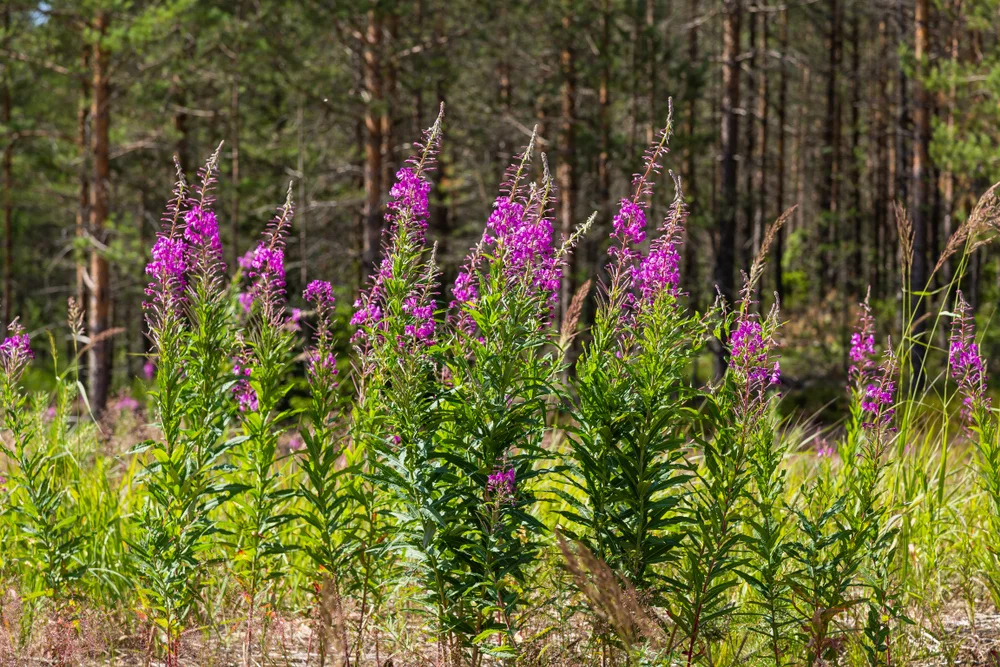
🌿 Small-flowered willowherb
Kleinblütiges Weidenröschen
Epilobium parviflorum
Small-flowered willowherb is a traditional medicinal plant primarily used for prostate and lower urinary tract complaints. It contains ellagitannins, including oenothein B, as well as flavonoids. Oenothein B has been identified as an important bioactive constituent of Epilobium parviflorum and has demonstrated, among other effects, inhibition of 5-alpha-reductase in laboratory studies.
The European Medicines Agency recognises willowherb preparations containing Epilobium parviflorum and/or E. angustifolium as traditional herbal medicines for relieving lower urinary tract symptoms associated with benign prostatic enlargement, particularly difficulty starting urination and frequent urination.
The European Medicines Agency recognises willowherb preparations containing Epilobium parviflorum and/or E. angustifolium as traditional herbal medicines for relieving lower urinary tract symptoms associated with benign prostatic enlargement, particularly difficulty starting urination and frequent urination.
Notes
Oenothein B, an ellagitannin found in relatively high concentrations in Epilobium parviflorum, is particularly noteworthy. Research indicates anti-inflammatory, antioxidant and enzyme-inhibiting properties, and laboratory studies have also demonstrated activity against prostate cells.
Effects
- supportive of urinary flowBe
- prostate-supportive
- supportive of reduced urinary frequency
- difficulty urinating
- anti-inflammatory
- antioxidant
- antimicrobial
Conditions
- frequent urination
- benign prostatic enlargement
- inflammatory processes
- bladder complaints
- lower urinary tract symptoms
Application Areas
- prostate
- male reproductive system
- urinary tract
- bladder
Plant Parts
- aerial parts
- florets
- flower
Preparations
- tea
- powder
- dried
- extract
- infusion
Contraindications
- unexplained prostate complaints
- painful urination
- blood in the urine